Buy agentur24.eu ?
We are moving the project
agentur24.eu .
Are you interested in purchasing the domain
agentur24.eu ?
domain@kv-gmbh.de · 0541-91531010
Buy agentur24.eu ?
Is Romania Slavic?
No, Romania is not a Slavic country. The majority of the population in Romania is of Romanian ethnicity, and the official language is Romanian, which is a Romance language. The Slavic people are primarily found in countries such as Russia, Ukraine, and Poland. While Romania has been influenced by Slavic culture and history, it is not considered a Slavic country. **
Are Austrians Slavic?
No, Austrians are not Slavic. The majority of Austrians are of Germanic descent, with a significant minority of people from other ethnic backgrounds. The Slavic population in Austria is relatively small, primarily concentrated in the southern regions of the country near the border with Slovenia. Therefore, while there is some Slavic influence in Austria, the majority of the population is not of Slavic descent. **

Similar search terms for Slavic
Top-Angebote
Products related to Slavic:
-
Various Publishers 22 Immutable Laws Branding, Marketing & Positioning 3 Book Set by Al Ries, Jack Trout & Laura Ries - Paperback Business Strategy ClassicsThis three-book paperback set brings together three influential marketing texts written by Al Ries alongside collaborators Jack Trout and Laura Ries. The collection distils decades of branding and marketing strategy into short, memorable 'laws' and case studies. The set includes The 22 Immutable Laws of Branding, The 22 Immutable Laws of Marketing, and Positioning: The Battle for Your Mind. Ideal for business students, entrepreneurs, marketers, and anyone building a brand, it's a practical, portable reference library that has shaped how the modern business world thinks about positioning, branding, and market leadership.28,99 £*Shipping: 2,99 £Secure redirect to the provider
-
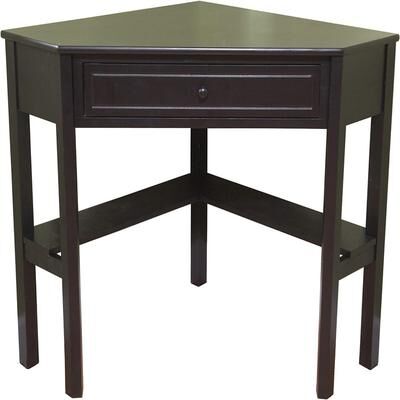
No Marketing Systems Wood Corner Desk"The corner desk measures 42"" X 28"" X 30"" And Weighs 42 lbs. Arrives with only minimal Assembly required. Comfortably fitting in any home, studio, apartment, and office, The small corner writing desk maximizes space in compact rooms."258,89 $*Shipping: 0,00 $Secure redirect to the provider



-
Do you see right away that Slavic people are also Slavic?
No, it is not always immediately obvious that someone is Slavic just by looking at them. Slavic people come from a diverse range of countries and regions, and their physical appearances can vary widely. While some Slavic people may have common physical features, such as fair skin and light hair, there is no single "Slavic look" that can be used to identify someone as Slavic. It is important to remember that ethnicity and nationality are complex and multifaceted, and cannot be determined solely based on appearance. **
-
What are Slavic countries?
Slavic countries are nations in Eastern Europe and parts of Central Europe that are predominantly inhabited by people of Slavic descent. These countries share cultural, linguistic, and historical ties stemming from the Slavic ethnic group. Some examples of Slavic countries include Russia, Poland, Ukraine, Czech Republic, and Serbia. The Slavic languages, which are part of the larger Indo-European language family, are spoken in these countries and form a common thread among them. **
-
Is Slavic mythology underestimated?
Slavic mythology is often overlooked and underestimated in comparison to other mythologies such as Greek or Norse. This may be due to a lack of widespread knowledge and understanding of Slavic mythology outside of Eastern Europe. However, Slavic mythology is rich in folklore, deities, and epic tales that deserve more recognition and appreciation. As interest in diverse mythologies grows, there is an opportunity for Slavic mythology to receive the attention and respect it deserves. **
-
Do I have Slavic roots?
Without more specific information about your family history and genealogy, it is difficult to definitively determine if you have Slavic roots. Slavic people are an ethnic group native to Eastern Europe, so if your ancestors come from countries such as Russia, Poland, Ukraine, Czech Republic, or other Slavic nations, it is possible that you have Slavic roots. Researching your family history, speaking with relatives, and possibly taking a DNA test could provide more insight into your ancestry and whether you have Slavic heritage. **


Are Austrians Germanic or Slavic?
Austrians are considered to be primarily Germanic. The majority of the population in Austria speaks German as their first language and shares cultural and historical ties with other Germanic-speaking countries. However, due to its location in Central Europe, Austria has also been influenced by Slavic cultures, particularly in regions bordering countries like Slovenia and the Czech Republic. **
What is anti-Slavic racism?
Anti-Slavic racism refers to prejudice, discrimination, or hostility directed towards individuals of Slavic descent. This form of racism is based on negative stereotypes, misconceptions, and generalizations about Slavic people, often portraying them as inferior or undesirable. Anti-Slavic racism can manifest in various ways, such as hate speech, violence, or systemic discrimination targeting Slavic communities. It is important to recognize and challenge anti-Slavic racism to promote equality, understanding, and respect for all individuals regardless of their ethnic background. **
Top-Angebote
Products related to Slavic:
-
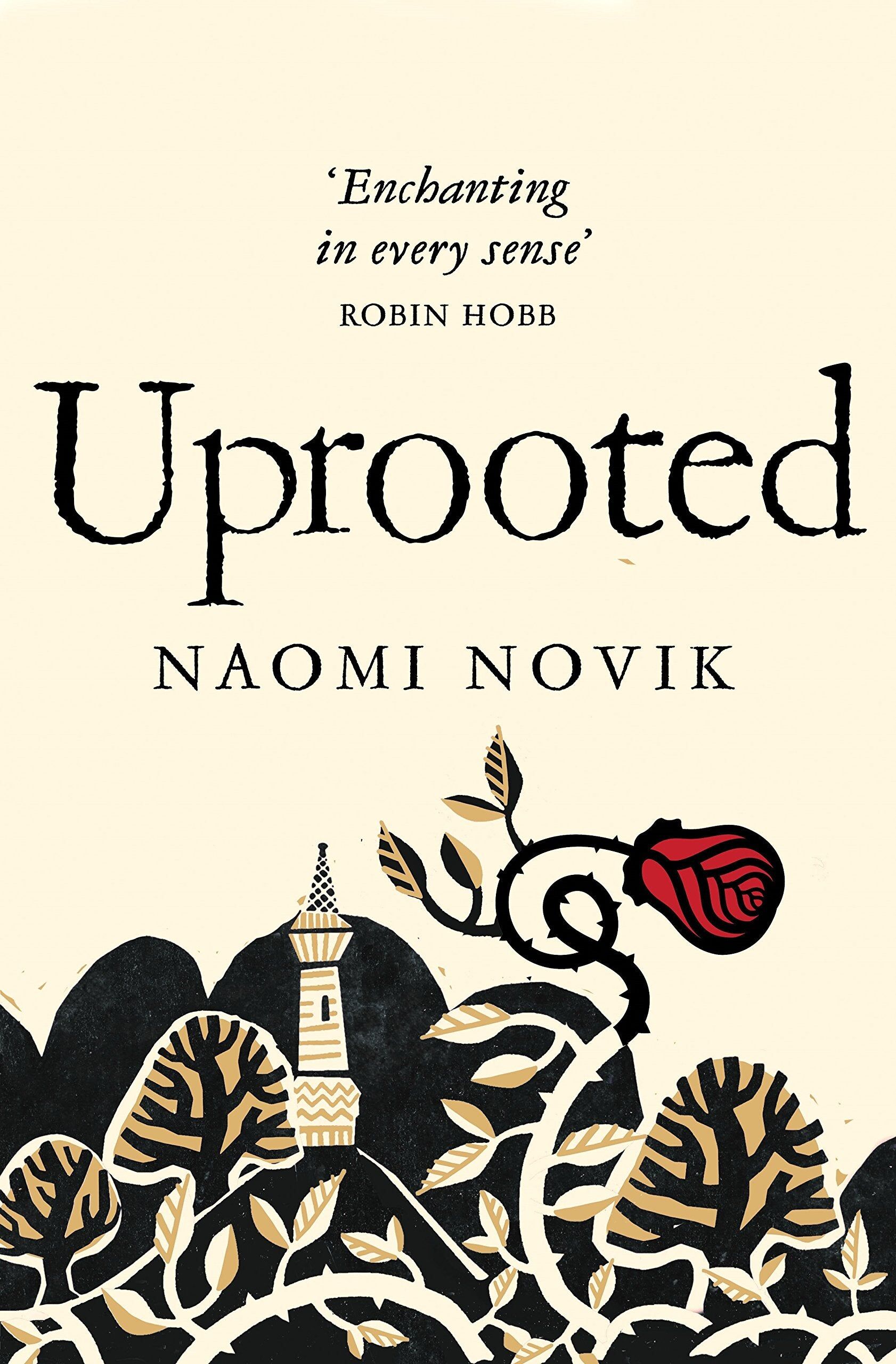
Pan Books Uprooted by Naomi Novik - Award-Winning Slavic Folklore Fantasy Novel - New Paperback Edition, Nebula Award WinnerUprooted is Naomi Novik's award-winning standalone fantasy novel, a spellbinding tale inspired by Slavic folklore and fairy tales. This UK paperback edition, published by Pan Books (ISBN: 9781447294146), follows village girl Agnieszka as she is drawn into the service of a mysterious wizard known as the Dragon. Rich in atmosphere, folklore, and quiet heroism, it's a must-read for fantasy fans. The story takes place in a valley that lies in the shadow of the Wood, a corrupted, malevolent forest that swallows travellers whole and returns them changed, if it returns them at all. The only defence against the Wood's creeping evil is the Dragon, an ageless wizard who guards the valley from his tower - but who exacts a price. Once every ten years, he takes a young woman from the villages to serve him.2,99 £*Shipping: 2,99 £Secure redirect to the provider
-
Harper Business Day Trading Attention & Jab Jab Jab Right Hook by Gary Vaynerchuk - Hardcover 2 Book Marketing Set - Business Strategy & Social Media AdvertisingThis two-book bundle brings together Gary Vaynerchuk's most influential marketing titles in one brand-new hardcover set. Day Trading Attention (2024) updates the playbook for today's social platforms, while Jab, Jab, Jab, Right Hook (2013) remains the foundational storytelling guide that built GaryVee's reputation. Together they offer a before-and-after view of how attention, content, and advertising have evolved — essential reading for marketers, founders, and content creators. The books are published by Harper Business and are suitable for adult readers interested in business and marketing.3,89 £*Shipping: 2,99 £Secure redirect to the provider
-
Various Publishers 22 Immutable Laws Branding, Marketing & Positioning 3 Book Set by Al Ries, Jack Trout & Laura Ries - Paperback Business Strategy ClassicsThis three-book paperback set brings together three influential marketing texts written by Al Ries alongside collaborators Jack Trout and Laura Ries. The collection distils decades of branding and marketing strategy into short, memorable 'laws' and case studies. The set includes The 22 Immutable Laws of Branding, The 22 Immutable Laws of Marketing, and Positioning: The Battle for Your Mind. Ideal for business students, entrepreneurs, marketers, and anyone building a brand, it's a practical, portable reference library that has shaped how the modern business world thinks about positioning, branding, and market leadership.28,99 £*Shipping: 2,99 £Secure redirect to the provider
-
Is Romania Slavic?
No, Romania is not a Slavic country. The majority of the population in Romania is of Romanian ethnicity, and the official language is Romanian, which is a Romance language. The Slavic people are primarily found in countries such as Russia, Ukraine, and Poland. While Romania has been influenced by Slavic culture and history, it is not considered a Slavic country. **
-
Are Austrians Slavic?
No, Austrians are not Slavic. The majority of Austrians are of Germanic descent, with a significant minority of people from other ethnic backgrounds. The Slavic population in Austria is relatively small, primarily concentrated in the southern regions of the country near the border with Slovenia. Therefore, while there is some Slavic influence in Austria, the majority of the population is not of Slavic descent. **
-
Do you see right away that Slavic people are also Slavic?
No, it is not always immediately obvious that someone is Slavic just by looking at them. Slavic people come from a diverse range of countries and regions, and their physical appearances can vary widely. While some Slavic people may have common physical features, such as fair skin and light hair, there is no single "Slavic look" that can be used to identify someone as Slavic. It is important to remember that ethnicity and nationality are complex and multifaceted, and cannot be determined solely based on appearance. **
-
What are Slavic countries?
Slavic countries are nations in Eastern Europe and parts of Central Europe that are predominantly inhabited by people of Slavic descent. These countries share cultural, linguistic, and historical ties stemming from the Slavic ethnic group. Some examples of Slavic countries include Russia, Poland, Ukraine, Czech Republic, and Serbia. The Slavic languages, which are part of the larger Indo-European language family, are spoken in these countries and form a common thread among them. **
Similar search terms for Slavic
-
No Marketing Systems Wood Corner Desk"The corner desk measures 42"" X 28"" X 30"" And Weighs 42 lbs. Arrives with only minimal Assembly required. Comfortably fitting in any home, studio, apartment, and office, The small corner writing desk maximizes space in compact rooms."258,89 $*Shipping: 0,00 $Secure redirect to the provider
-
Flythe Consulting Arika Wall Sconce Pair, Pair, Satin NickelThe Arika Wall Sconce Pair is an adaptation of old-fashioned light fixtures, with an appealing design that will complement modern decor. The lacquered solid brass sconces have 4.75 dia.x7 H clear glass hurricanes that will protect your standard...179,00 $*Shipping: 22,95 $Secure redirect to the provider
-
Flythe Consulting Manor Wall Sconce Pair, Pair, Satin NickelHandcrafted of solid brass, the Manor Wall Sconce Pair features a curved arm design and a lacquered hand-finish. Each 4.75 dia.x7 H glass hurricane protects your taper from drafts. Each decorative wall sconce is 4.5 Wx7 Dx15 H. This item is our...169,00 $*Shipping: 22,95 $Secure redirect to the provider
-
Is Slavic mythology underestimated?
Slavic mythology is often overlooked and underestimated in comparison to other mythologies such as Greek or Norse. This may be due to a lack of widespread knowledge and understanding of Slavic mythology outside of Eastern Europe. However, Slavic mythology is rich in folklore, deities, and epic tales that deserve more recognition and appreciation. As interest in diverse mythologies grows, there is an opportunity for Slavic mythology to receive the attention and respect it deserves. **
-
Do I have Slavic roots?
Without more specific information about your family history and genealogy, it is difficult to definitively determine if you have Slavic roots. Slavic people are an ethnic group native to Eastern Europe, so if your ancestors come from countries such as Russia, Poland, Ukraine, Czech Republic, or other Slavic nations, it is possible that you have Slavic roots. Researching your family history, speaking with relatives, and possibly taking a DNA test could provide more insight into your ancestry and whether you have Slavic heritage. **
-
Are Austrians Germanic or Slavic?
Austrians are considered to be primarily Germanic. The majority of the population in Austria speaks German as their first language and shares cultural and historical ties with other Germanic-speaking countries. However, due to its location in Central Europe, Austria has also been influenced by Slavic cultures, particularly in regions bordering countries like Slovenia and the Czech Republic. **
-
What is anti-Slavic racism?
Anti-Slavic racism refers to prejudice, discrimination, or hostility directed towards individuals of Slavic descent. This form of racism is based on negative stereotypes, misconceptions, and generalizations about Slavic people, often portraying them as inferior or undesirable. Anti-Slavic racism can manifest in various ways, such as hate speech, violence, or systemic discrimination targeting Slavic communities. It is important to recognize and challenge anti-Slavic racism to promote equality, understanding, and respect for all individuals regardless of their ethnic background. **
* All prices are inclusive of VAT and, if applicable, plus shipping costs. The offer information is based on the details provided by the respective shop and is updated through automated processes. Real-time updates do not occur, so deviations can occur in individual cases. ** Note: Parts of this content were created by AI.